
Books
A gathering of books and films on dying, death, grief, and the choices we face near the end of life, for anyone who wants to prepare, to understand, or simply to feel less alone with it.
END OF LIFE PREPARATION
When someone tells me they want to stop dreading the end of life and actually prepare for it, these are the two books I put in their hands first.
-
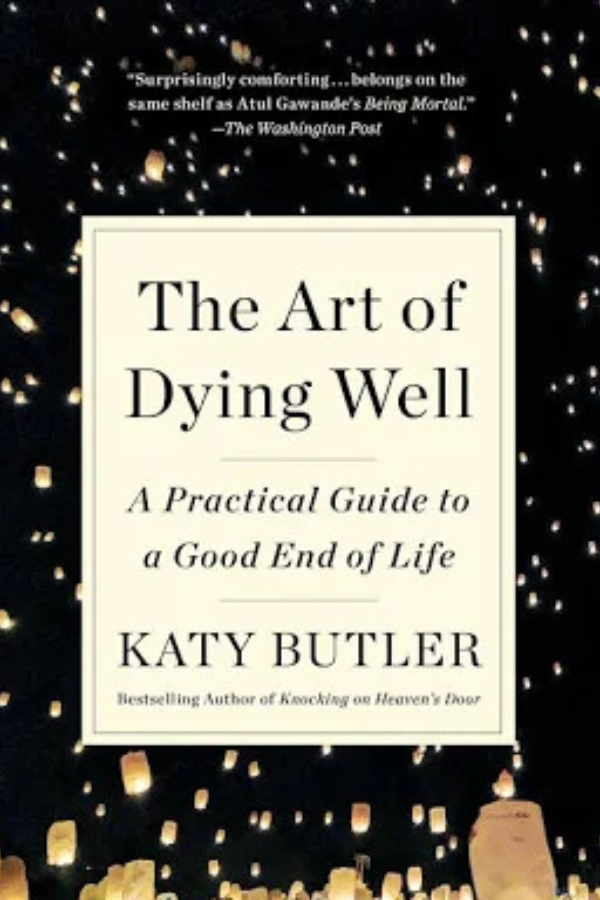
The Art of Dying Well
-
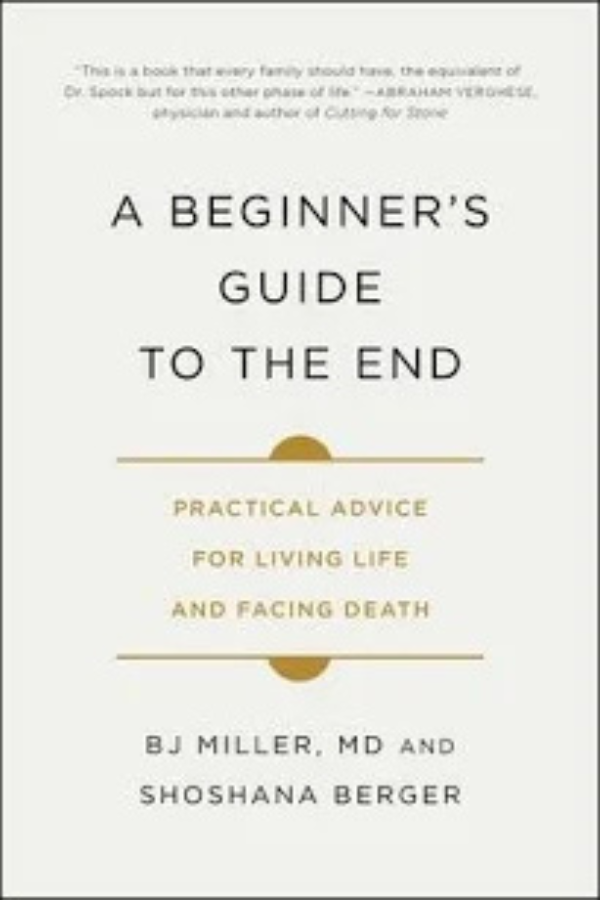
A Beginner's Guide to the End
REFLECTIVE BOOKS ON DYING AND DEATH
Rather than hand you instructions, the writers gathered here keep you company inside the questions dying raises, each having looked hard at an ending and written honestly about what they found.
-
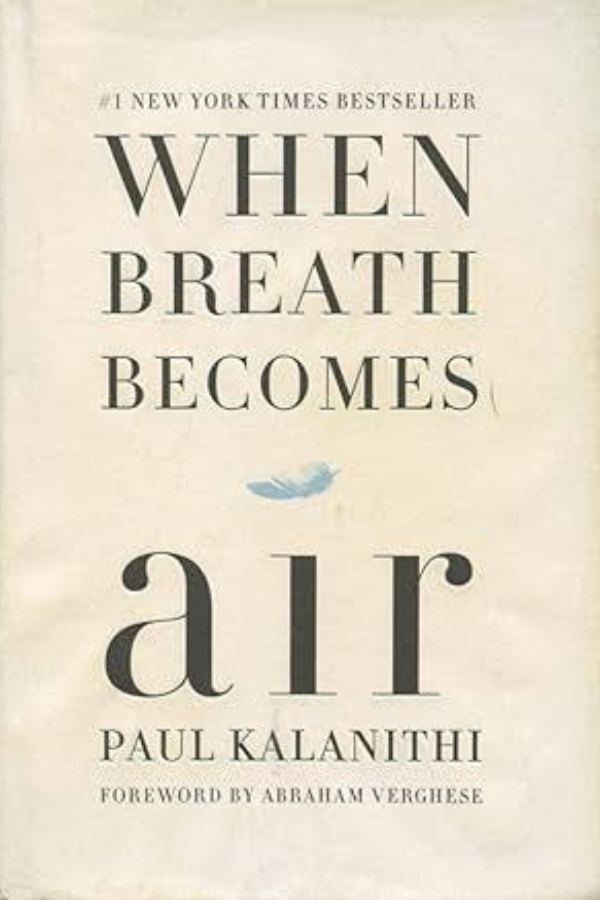
When Breath Becomes Air
-
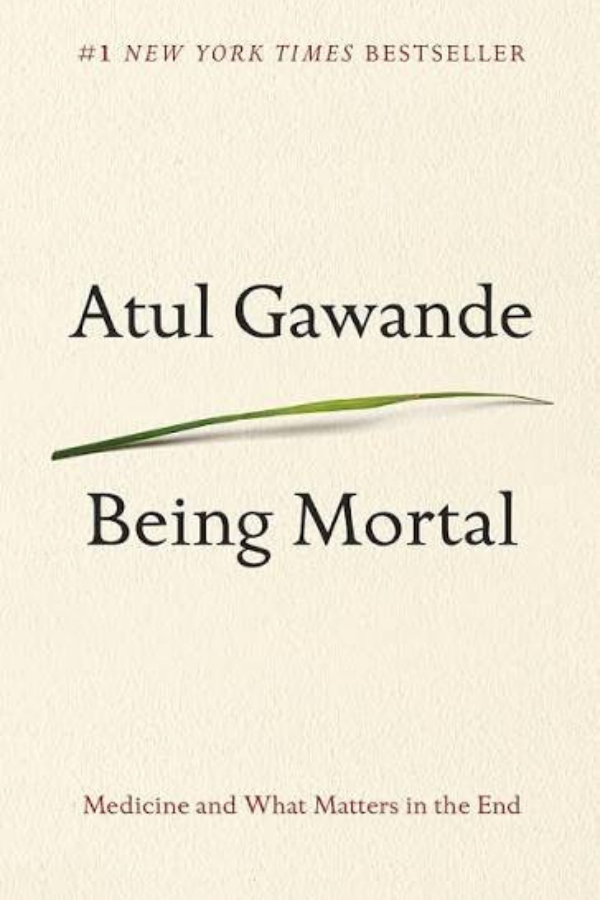
Being Mortal
-
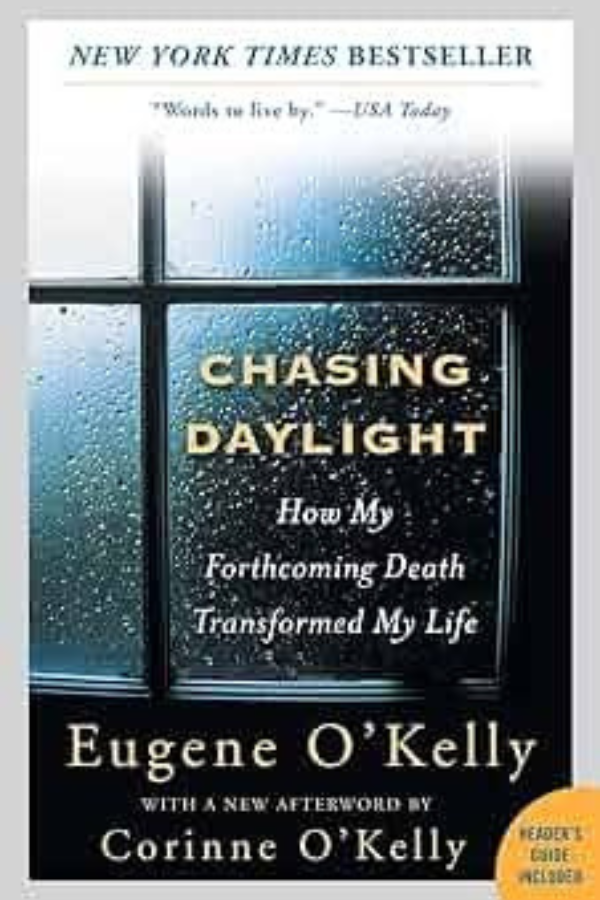
Chasing Daylight
-
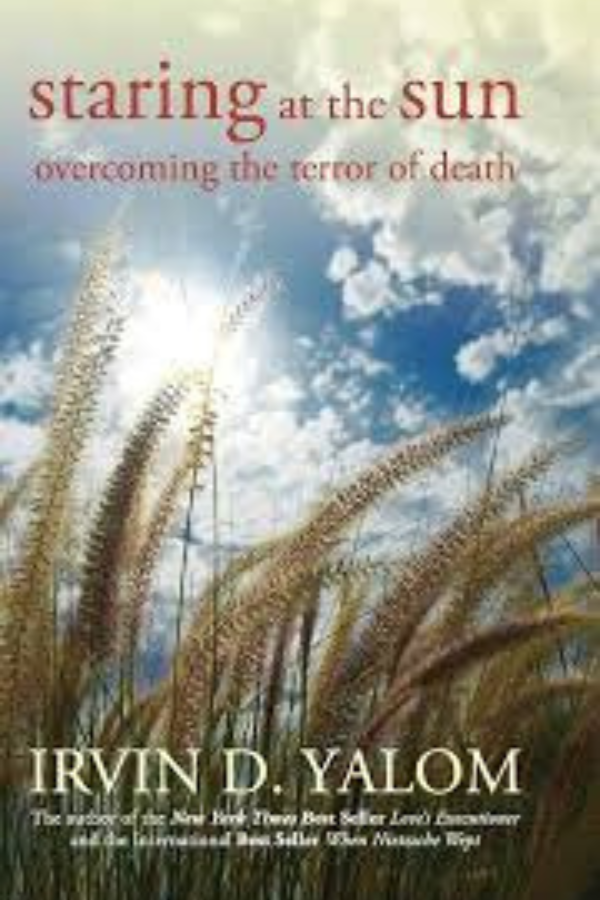
Staring at the Sun
-
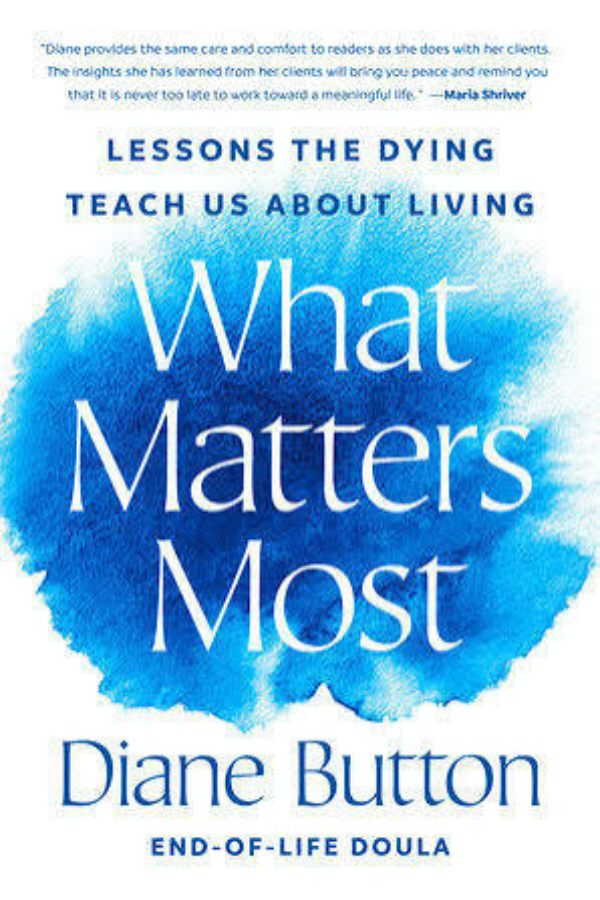
What Matters Most
GRIEF AND GRIEVING
This shelf is for the time after, for the long work of living that follows a death, held by writers who refuse to rush grief or tidy it away.
-
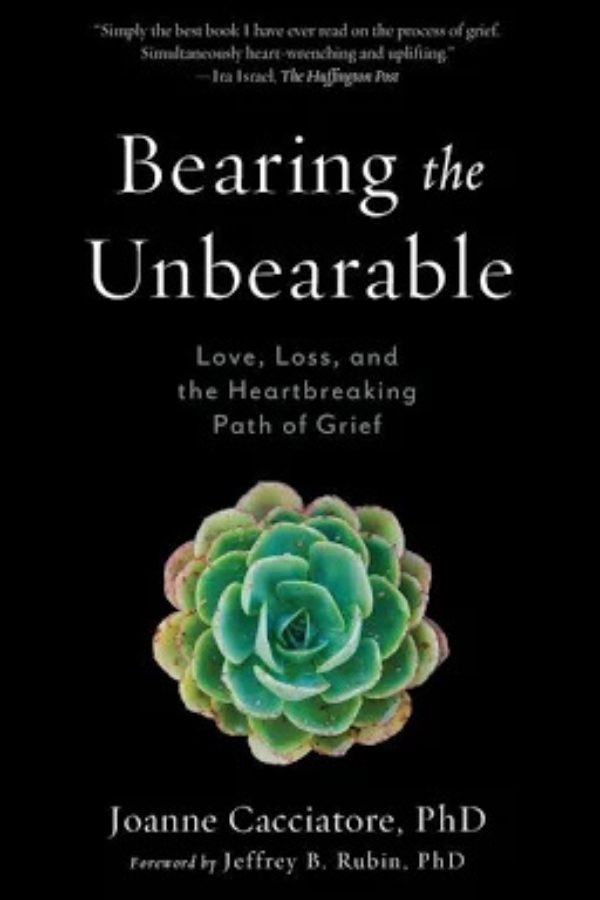
Bearing the Unbearable
-

It's OK That You're Not OK
-

Grief One Day at a Time
-
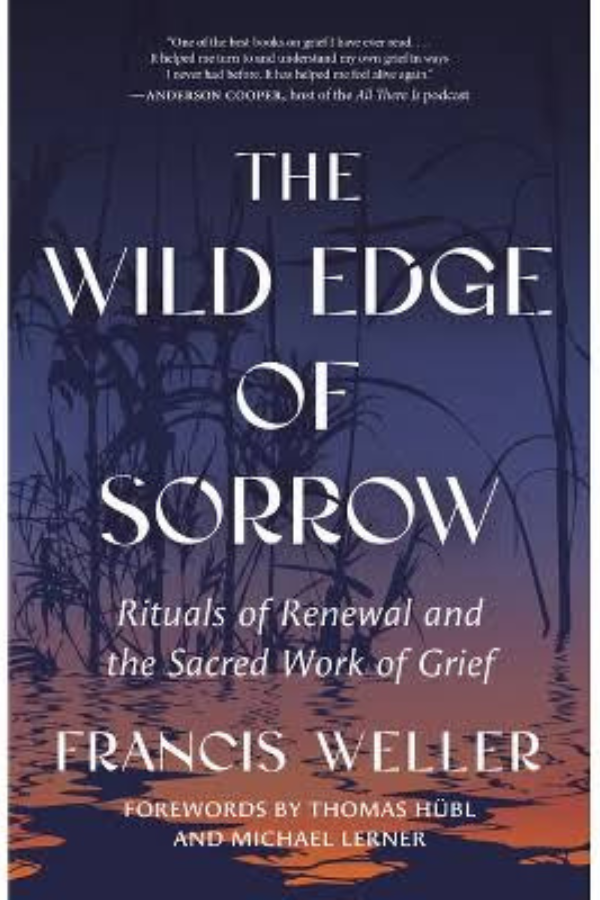
The Wild Edge of Sorrow
-

How to Live When a Loved One Dies
DEATH PRACTICES AROUND THE WORLD
Just one title rounds out the shelf, though it travels widely, loosening the grip of the belief that our own culture's uneasy way with death is the only one available to us.
-
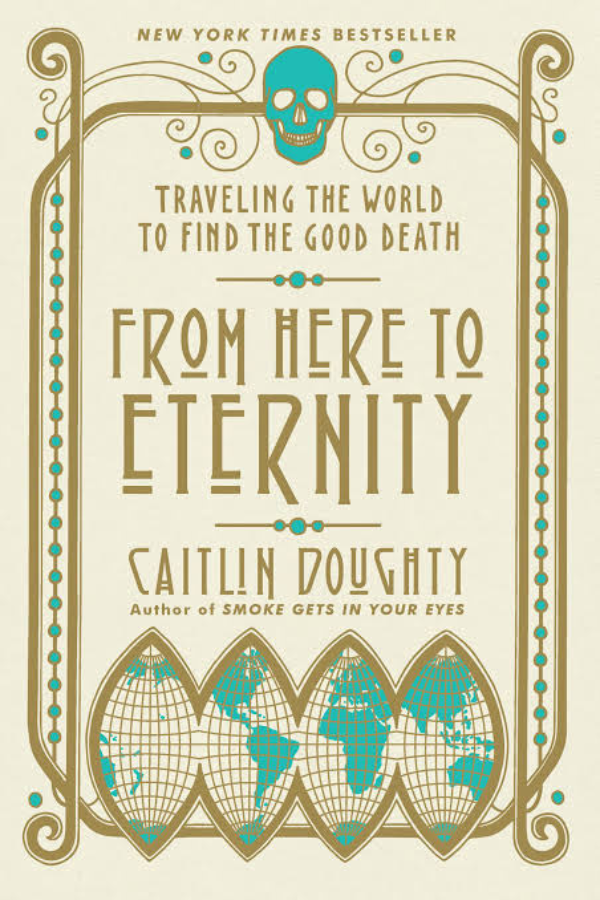
From Here to Eternity
EXPLORING CONSCIOUSNESS
These last two step past what medicine can measure and into older questions about consciousness and what may continue after death. I offer them as doorways for wondering rather than as evidence of an afterlife, since no book can prove what lies beyond, and I hope they widen your sense of what might be possible while you keep your own mind and judgment close.
-
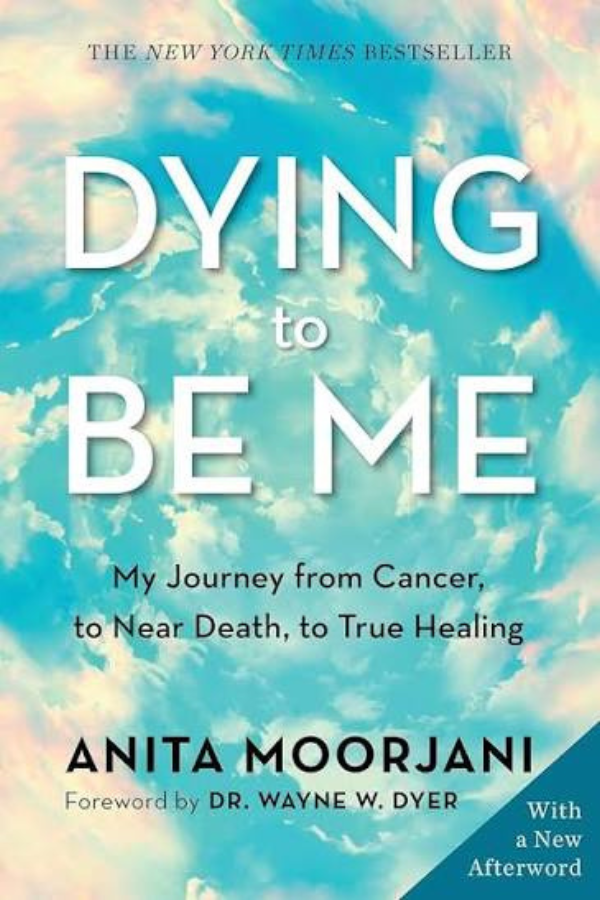
Dying to Be Me
-
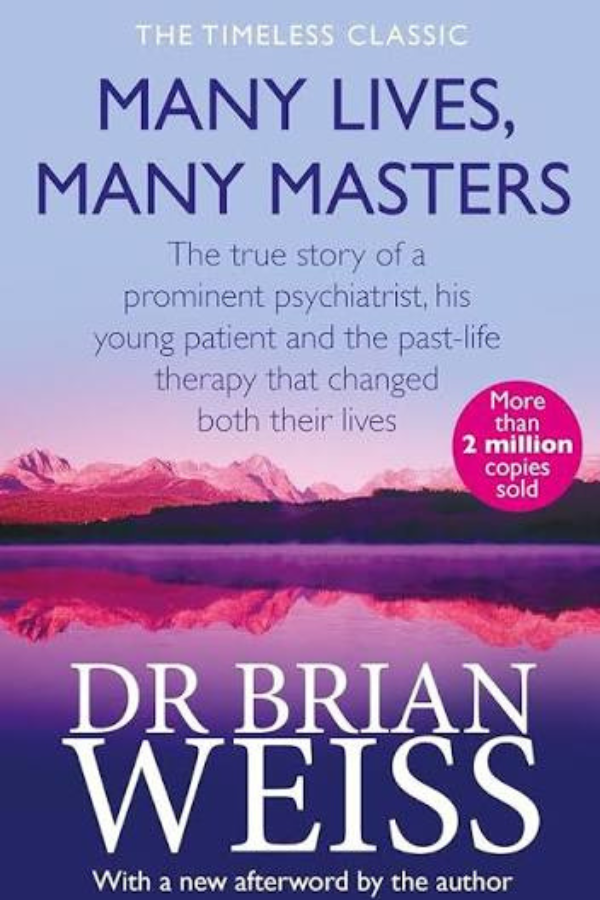
Many Lives, Many Masters
Film
Documentaries and one film, for watching on your own or alongside someone you love.
DYING IN COMMUNITY
This first film shows what becomes possible when someone does not have to meet the end of life alone.
-
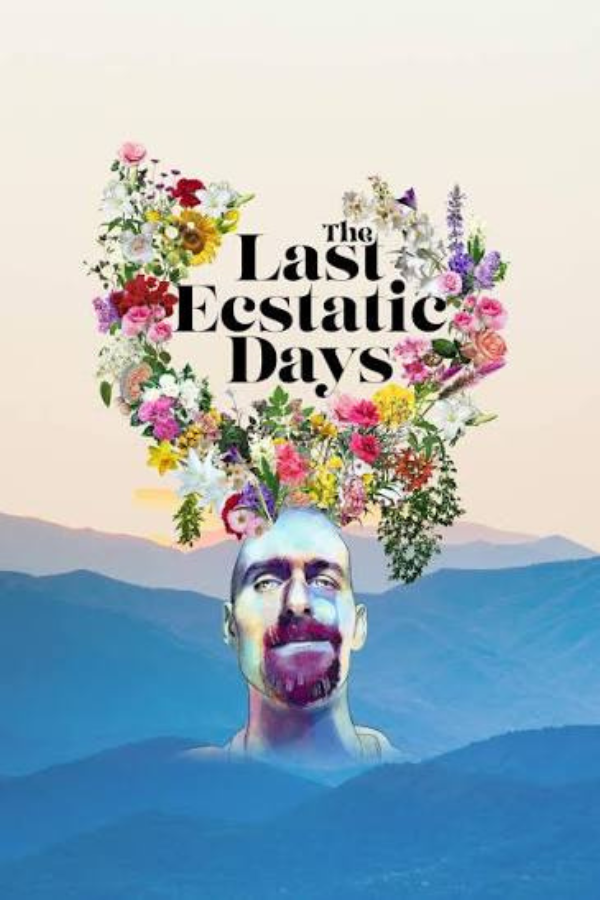
The Last Ecstatic Days — Directed by Scott Kirschenbaum
When Ethan Sisser, a young man with terminal brain cancer, began livestreaming his own dying, strangers from around the world gathered to him, and a hospice physician who also works as an end-of-life doula brought him to a house in the Blue Ridge Mountains where a community he had never met carried him through his final days.
DYING AND DEATH
These look directly at how we die now, from the hospital ward to the living room, and at how little most of us have been taught about speaking of it.
-
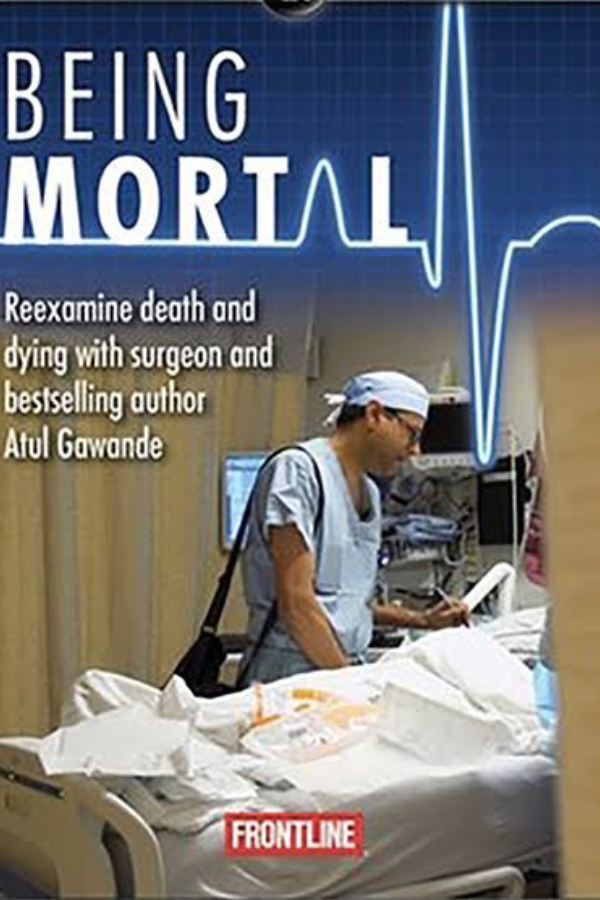
Being Mortal — PBS Frontline, 2015, with Atul Gawande
Following the surgeon and writer Atul Gawande as he draws on his bestselling book of the same name, this hour sits with doctors, Gawande among them, as they admit how untrained and uncomfortable they are when it comes to talking honestly with the people in their care about death.
-
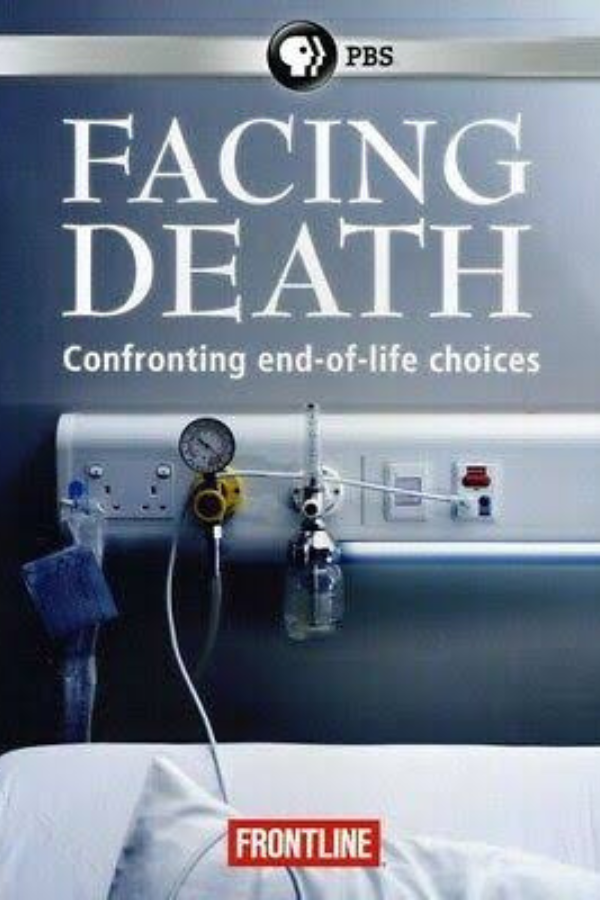
Facing Death — PBS Frontline, 2010
Filmed inside the intensive care unit of a large New York hospital, this documentary stays close to families and clinicians as they weigh the hardest choices near the end, when to keep treating and when to stop, and it never looks away from what those decisions ask of everyone in the room.
-
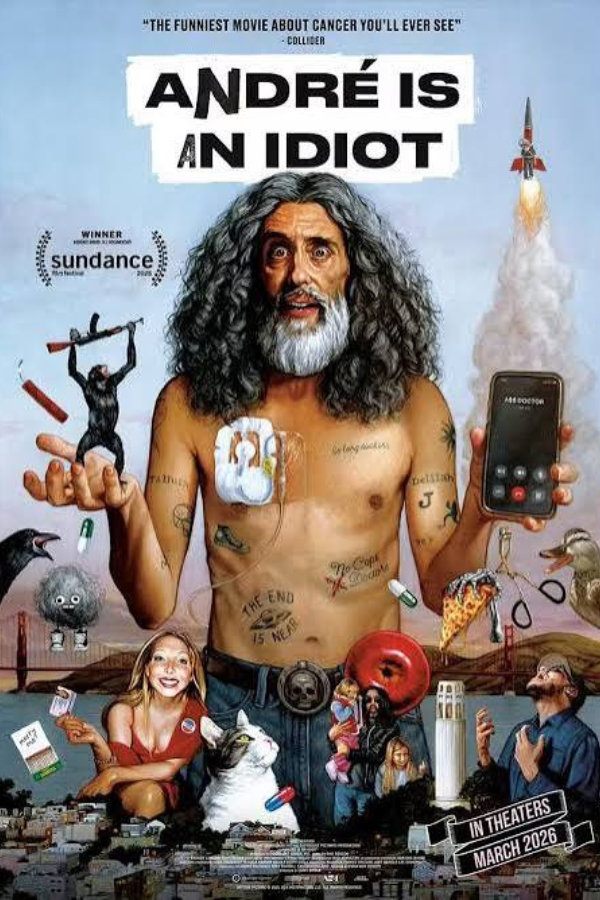
André Is an Idiot — Directed by Tony Benna
After André Ricciardi, a San Francisco advertising man, was handed a stage four colon cancer diagnosis he had likely invited by skipping a colonoscopy, he asked a filmmaker friend to help him make a raucous and funny record of his final years, and the result holds deep grief and real laughter side by side while urging you, in no uncertain terms, to schedule the screening you keep postponing.
Warning: The humor in this film comes with frank, explicit language throughout.
MEDICAL AID IN DYING (MAID)
The films here concern medical aid in dying (MAiD), the legal option in California and a growing number of states that allows a terminally ill adult to maintain their autonomy even in death, offered as education rather than advocacy, since each person portrayed came to their decision differently.
-
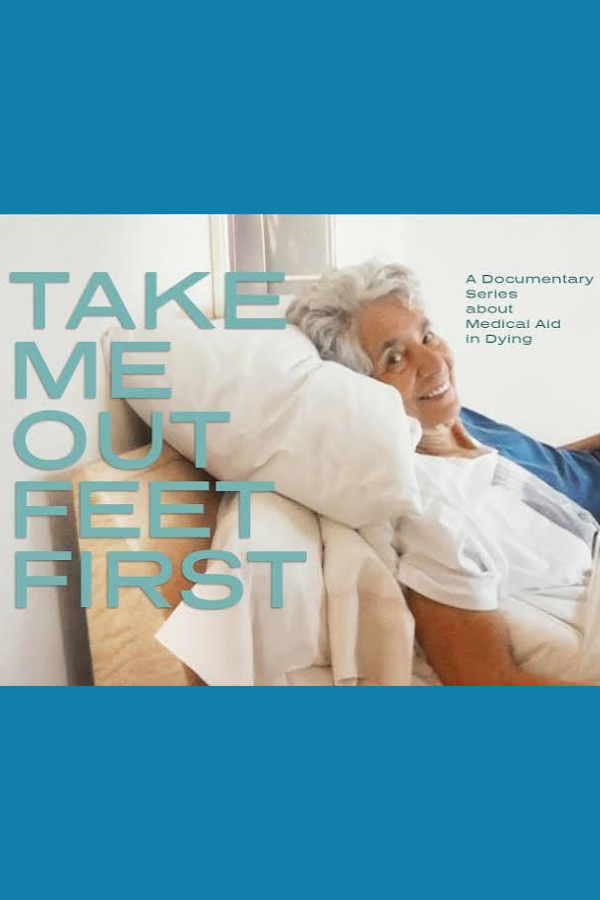
Take Me Out Feet First
Made after the filmmaker witnessed her own mother use California's End of Life Option Act, this documentary series follows a range of terminally ill people who choose medical aid in dying, letting each of them describe in candid, personal terms what brought them to that choice.
-
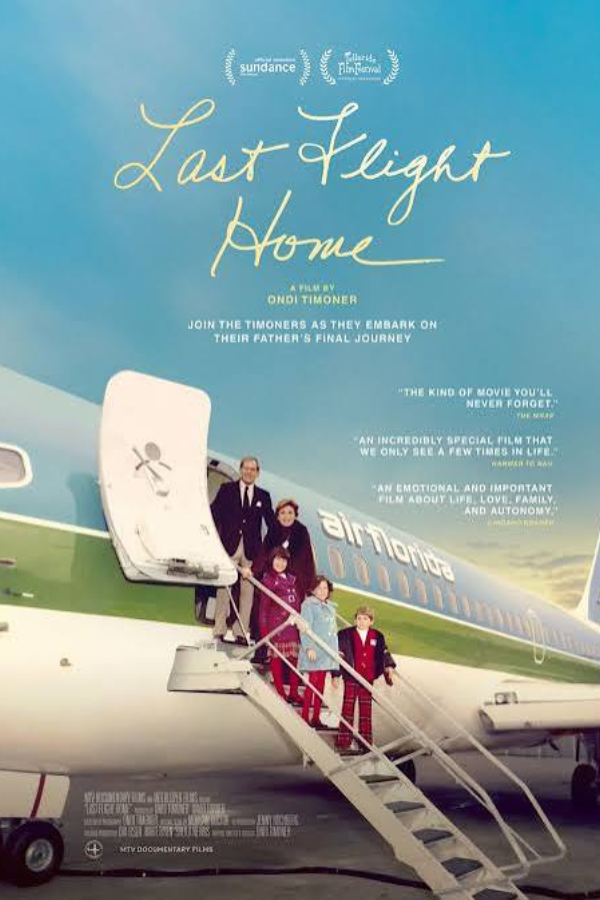
The Last Flight Home
Ondi Timoner turns her camera on her own father, Eli, a former airline founder left frail by a stroke, during the fifteen-day waiting period California requires before he can end his life under its law, and what unfolds across his final two weeks is a slow, close record of a family saying everything that still needed to be said.
-
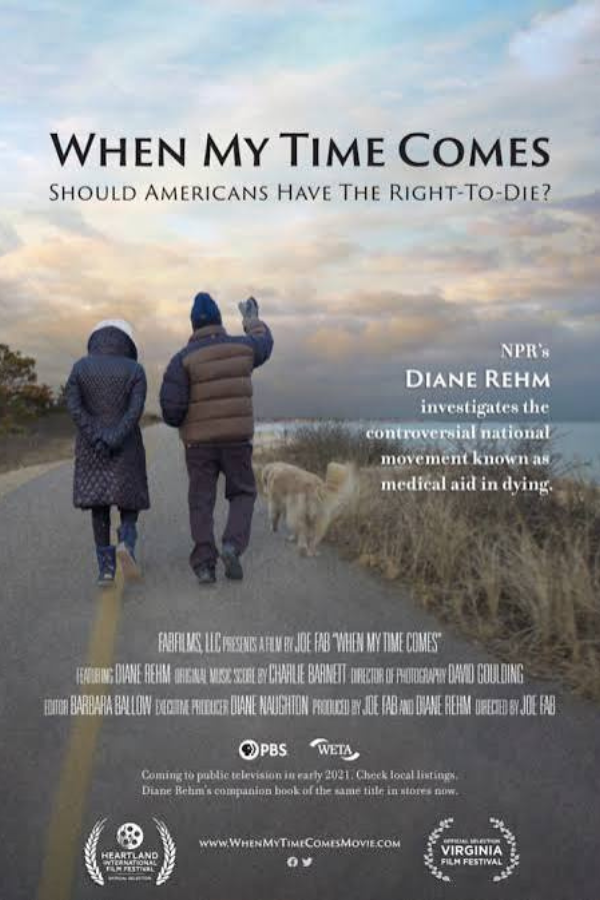
When My Time Comes
After her husband ended his life by voluntarily stopping eating and drinking (VSED), the only option available to him where they lived, the journalist Diane Rehm set out across the country to understand medical aid in dying, gathering the perspectives of people who support it, people who oppose it, and others still weighing where they stand.
-
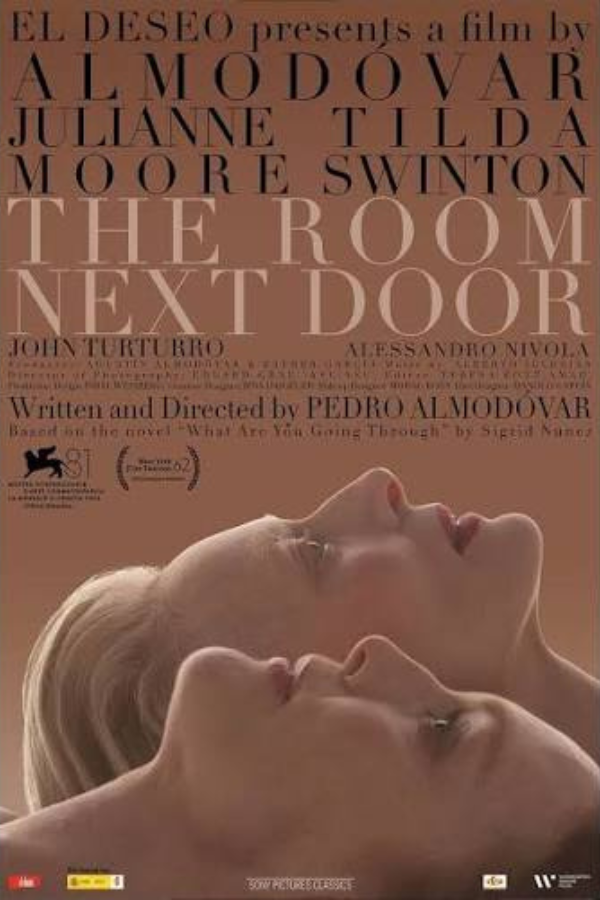
The Room Next Door
In Pedro Almodóvar's first English-language film, a former war correspondent played by Tilda Swinton, now living with terminal cancer, asks an old friend played by Julianne Moore to be in the room beside her when she chooses to die on her own terms, a request that reshapes what remains of both their lives. The one work of fiction gathered here, it took the top prize at the Venice Film Festival.
Copyright 2024–2026 The Death Whisperer.
All rights reserved. · thedeathwhisperer.com